The Vera Wang Style
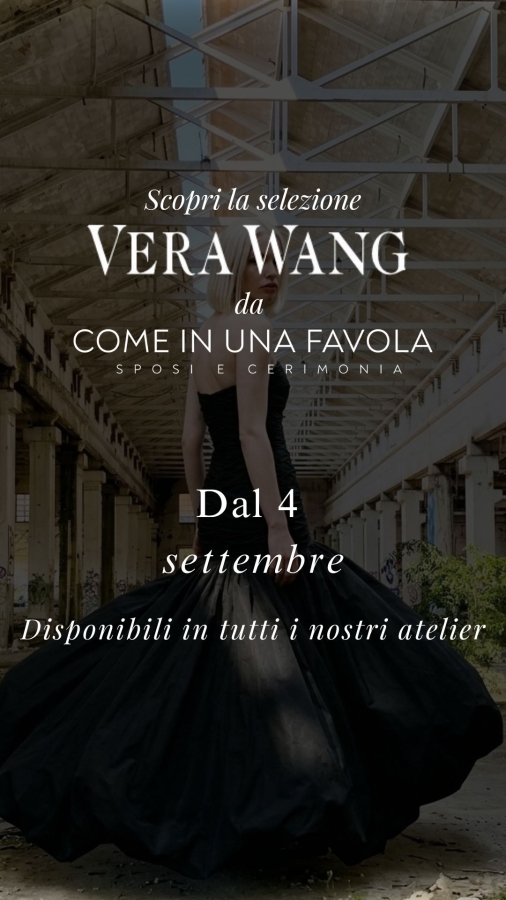
: September 4, 5, 6 from Come in una Favola
Part of Vera Wang's iconicity also comes from here: from her ability to transform the imagery of the fairytale bride into something contemporary, sophisticated, and real.
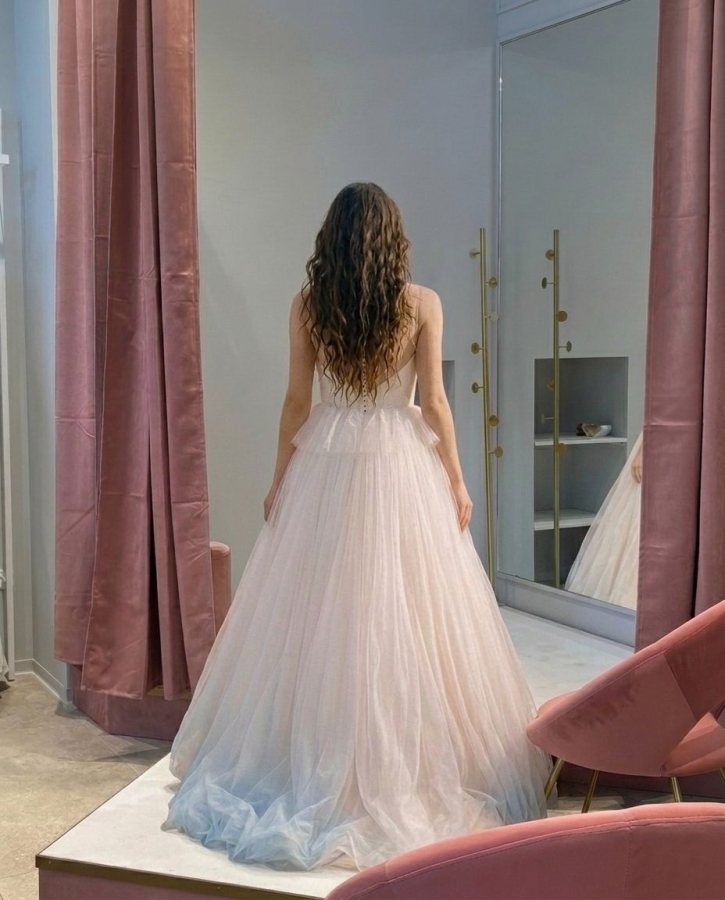
For generations, the wedding dress has been linked to an almost fairytale-like idea: full skirts, large volumes, dramatic veils, corsets, and romantic details. Vera Wang did not eliminate this imagery. On the contrary, he reinterpreted it through the language of fashion.
Her brides may still seem like something out of a fairy tale, but they are never passive or predictable figures. They have character, personality and presence.
It is precisely this balance between dream and modernity that has made her style so recognizable: the dress retains the magic of “princess moment”, but is built with a couture sensibility, bolder, more personal and less tied to convention.
In this sense, Vera Wang helped change not only the wedding dress, but also the very idea of a fairy tale in contemporary bridal.
No longer a princess to imitate, but a woman who chooses how to tell her story.
But what are the elements that made Vera Wang so influential?
1. The bride as a style icon
One of Vera Wang's most important insights was to consider the bride not as a figure separate from the fashion world, but as a woman who, even on the wedding day, wants to maintain her own style.
This approach has profoundly changed contemporary bridal.
The dress must no longer simply be “wedding”: it must tell the story of the wearer.
For this reason, very different souls coexist in the Vera Wang collections: romantic, minimalist, sensual, theatrical, sophisticated and nonconformist.
There is only one rule: avoid uniformity.
2. The corset becomes the protagonist
One of the most recognizable codes of the Vera Wang aesthetic is the corset.For a long time hidden in the interior construction of the dress, in its collections it often becomes a visible and declared element.
Structured bustiers, prominent boning, sculpted necklines, and silhouette-defining bodices transform the top of the dress into a true focal point.
The result is a bridal look that combines romance and sensuality, without sacrificing elegance.
It is an aesthetic that we find today in many contemporary dresses, but which Vera Wang helped make central to the modern bridal language.
3. Tulle used as a sculptural material
Tulle is one of the most traditional wedding dress materials.
Vera Wang, however, uses it in a far from conventional way.
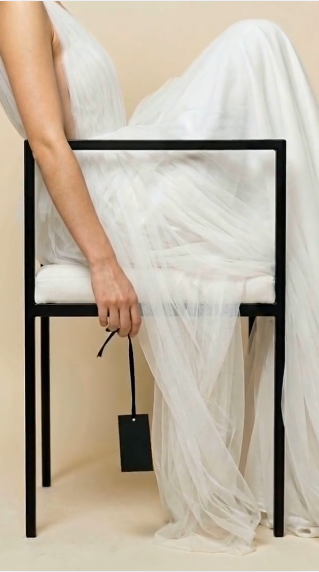
Overlapping layers, asymmetrical volumes, ruffles, drapes, and seemingly lightweight skirts are constructed to create movement and depth.
In many creations, tulle is not simply a romantic fabric: it becomes a true sculptural material.
The dress changes shape as the bride walks and creates an almost dramatic effect.
And it is precisely this ability to work on volumes without weighing down the silhouette that has made many of the designer's collections iconic.
4. Transparencies enter the bridal couture
Another element that has profoundly influenced contemporary bridal fashion is the use of transparencies.
Tulle illusions, light lace, semi-transparent bodices and impalpable overlays allow you to play with the skin without making the dress excessively provocative.
The effect is sophisticated and modern.
Sensuality is not expressed through deep necklines or tight silhouettes, but through a subtle balance between what is shown and what is suggested.
Today this language is very widespread in the bridal world, but Vera Wang was among the designers who contributed most to making it part of the couture aesthetic.
5. White is no longer the only possibility
Perhaps one of the most revolutionary aspects of the Vera Wang style is its relationship with color.
Over the years, the designer has presented wedding dresses in shades of blush, nude, champagne, gray, black and even red.
A choice that challenged one of the most deeply rooted codes of marriage: the idea that a wedding dress must necessarily be white.
These collections paved the way for a new idea of bridal wear, in which color does not represent a transgression, but an element of personal expression.
Even small dark details, black belts, or contrasting embroidery can completely transform the character of a dress.
6. Romance goes modern
Vera Wang has never abandoned romance.
He just reinterpreted it.
Three-dimensional flowers, lace, bows, tulle, and full skirts remain the protagonists, but are often paired with bolder constructions.
A dress may have a princely skirt but an almost architectural corset.
It can be completely covered in tulle and at the same time have an essential silhouette.
It can be romantic without being traditional.
It is precisely this tension between classicism and modernity that makes his style immediately recognizable.
7. The imperfection studied
Another distinguishing feature is the way Vera Wang plays with asymmetry and a certain idea of “imperfection”.
Irregular hems, not perfectly symmetrical drapes, deliberately exaggerated bows, layers of fabric that seem to move freely.
Nothing is really random, but the result avoids that feeling of stiffness that has characterized many traditional wedding dresses for years.
The bride appears more natural, contemporary and dynamic.
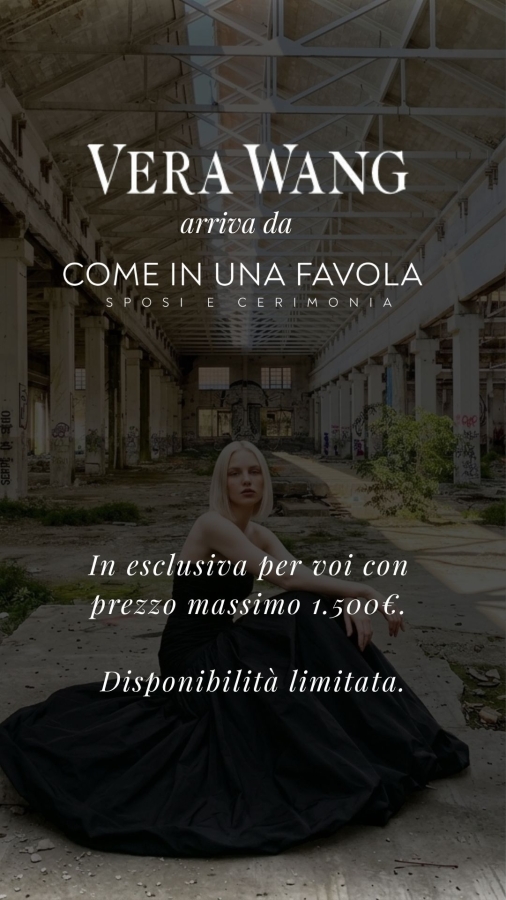
On September 4th, 5th, and 6th, Vera Wang dresses will take center stage in the Come in una Favola ateliers, offering brides-to-be the opportunity to discover firsthand the silhouettes, volumes, and details that have helped revolutionize the imagination of contemporary wedding dresses.
An opportunity to see, experience, and personally interpret a style that has been redefining the concept of bridal couture for decades.
Because Vera Wang isn't just an iconic name in bridal fashion: she represents a different way of imagining yourself on your wedding day.
Book your appointment!


 Discover your store